More Than a Formality
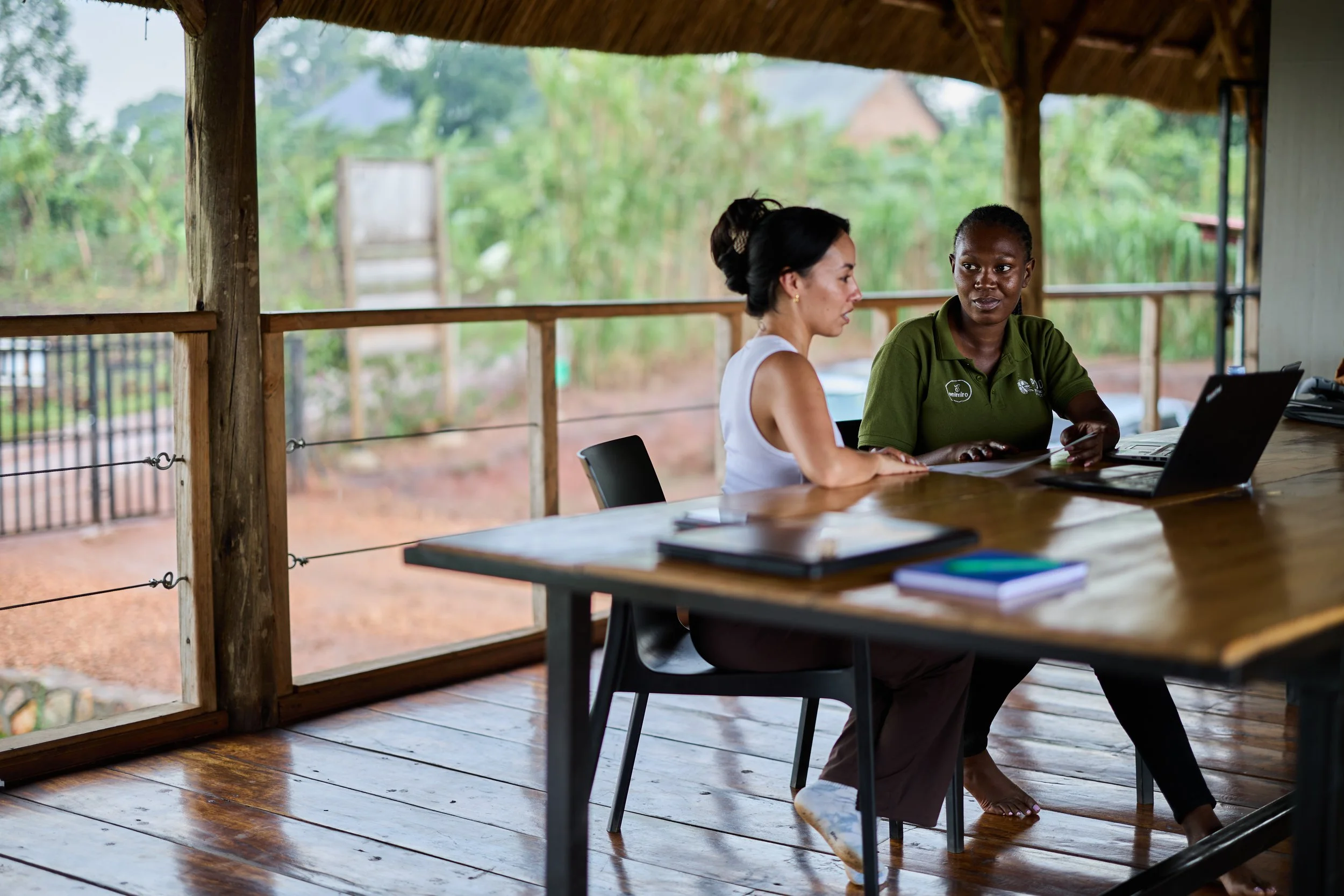
With more than 10 years of practical and conceptual engagement with ethical image production, I see the foundation for genuine informed consent not in forms — it comes from relationship-building. That work begins before the first day of filming: through careful preparation, through choosing local creative partners with real access to the community, and through a shared understanding of whose story is being told and why.
When that foundation is in place, the encounter on the ground changes fundamentally. Participants experience the production not as an outside intervention, but as a conversation. That shapes not only the quality of consent, but the quality of the images.
Safeguarding & Ethics:
Informed consent and voluntary participation
Participation in any production is entirely voluntary. Before filming or photography begins, all participants receive clear, accessible information about:
The purpose and intended use of the content
Who will see it and where it will be published
Their right to refuse, to stop at any point, and to withdraw consent after production
How images will be stored and for how long
Where participants have limited literacy or do not share a common language with the production team, consent is documented verbally via translation, with the process clearly recorded. For minors, informed consent is always obtained from a parent or legal guardian in addition to the child's own assent.
Dignity and responsible representation
thegoodmessage.studio follows the visual communication principles developed within the international development and human rights sector, including the standards advocated by organisations like Fairpicture. We are committed to:
Portraying people as protagonists of their own stories — not as passive subjects of suffering or charity
Avoiding sensationalism, decontextualised poverty imagery, or visual narratives that reduce complex realities to a single emotion
Reflecting cultural contexts accurately and sensitively
Ensuring that participants have had the opportunity to review and discuss how they are portrayed
Not using images that could expose participants to risk, stigma, or retaliation in their community
Child safeguarding
All productions involving minors follow strict safeguarding protocols. We do not work with children without the presence of a trusted adult (parent, guardian, or designated community worker). We do not film in settings that could put children at risk. We do not publish images of children in ways that could identify their location, family situation, or personal circumstances without explicit, documented parental consent. Where child labour is the subject of a production — as in the CLARISSA documentary — the approach prioritises the agency and protection of the children involved above all other production considerations.
Fair and equitable collaboration
thegoodmessage.studio co-produces with a growing network of talented local filmmakers and photographers across Africa, Asia, Europe, and Latin America. These collaborators are treated as equal creative partners — not as cheap labour or fixers. This means:
Fair, transparent, and prompt remuneration — agreed in advance, not retroactively
Clear credit and attribution for all creative contributions
Active involvement in conceptual and editorial decisions
Open communication about usage rights, publication scope, and any future reuse of material
Zero tolerance for exploitative work conditions — in scheduling, compensation, or working environment
Anti-discrimination and inclusive visual language
We have completed training in anti-racism in visual language and are committed to critically examining our own production practice. This includes actively working against the reproduction of colonial, paternalistic, or stereotyping visual narratives. We seek to reflect the full complexity and dignity of the communities and individuals we work with — regardless of geography, race, gender, age, or socioeconomic background.
Data protection and responsible image use
All personal data and visual material collected during productions is handled in accordance with applicable data protection law (GDPR). Image and footage files are stored securely, shared only with authorised parties, and retained only for as long as necessary. Clients receive a clear usage framework alongside all delivered assets — specifying where and how images may be used, for how long, and under what conditions. We strongly advise clients to implement the same responsible usage standards in all subsequent publication and archiving.
Environmental and social footprint
Lean, small-team production is not only more cost-efficient — it is a deliberate ethical choice. Fewer flights, smaller crews, and smarter production design reduce our carbon footprint while also creating a less intrusive, more human production environment. We prioritise remote co-production and local hiring whenever the scope allows — reducing both emissions and the extractive dynamics that large foreign crews can unintentionally create in local communities.
Questions and concerns
If you are a participant, a community representative, or a client with concerns about how a production was conducted, or how images are being used, please contact me directly at info@thegoodmessage.studio. I take all concerns seriously and I’m committed to finding constructive, fair resolutions.
thegoodmessage.studio — Tobias Thiele, Creative Director / info@thegoodmessage.studio / Last updated: March 2026
Contact:
Email me directly at info@thegoodmessage.studio
or use the form: